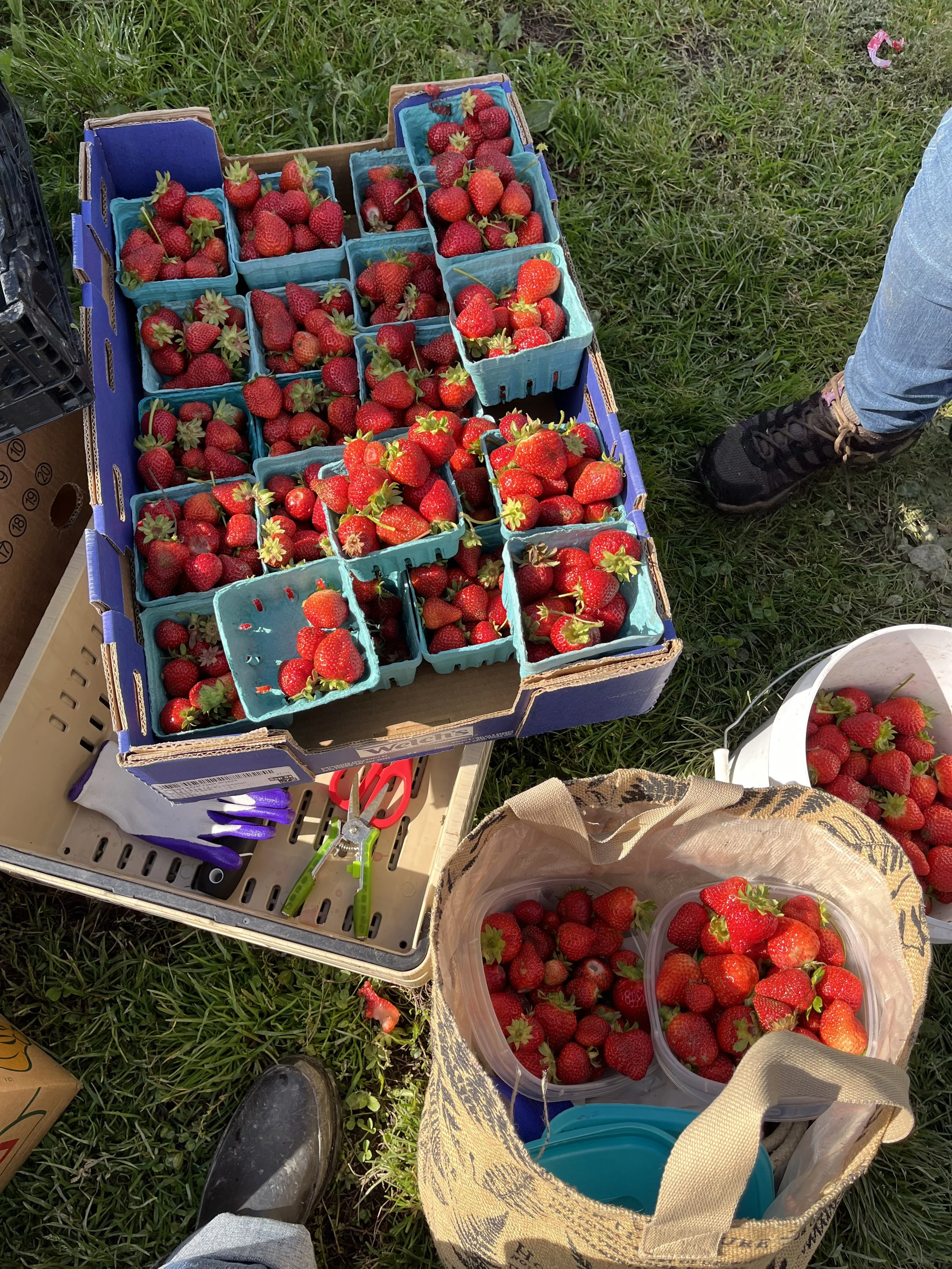
5% Friday: Skagit Gleaners
Shop June 26 >

Shop June 26 >
Co-op Open Daily 7am-9pm
Deli & Mercantile Open Daily 7am-8pm



Fresh Deals are our very best deals—for everyone! New sales start every Wednesday.
Start Saving >

Our made-to-order deli sandwiches are famous for a reason: they’re unbeatable!
Learn More >

Everyone is welcome to shop at the Co‑op! You just get extra perks when you join.
Yes, Please >

Did you know? We have a 2nd Floor Mercantile full of amazing gifts and goods with new holiday sales every week!
Shop Local >

We believe healthy food is for everyone. With Co+op Basics, you get low prices on everyday essentials.
Find the Purple Signs >

Who says you can’t have your cake and eat it, too? Working at the Co‑op is fun and rewarding.
Apply now >

☆☆☆☆☆
I want one of these by my house. Nice selection. Fresh veggies. Terrific beer and wine selection.
—Jeff S.

☆☆☆☆☆
The best co-op in the region and it’s not close! Enjoy the deli, seating, selection, the local made gift shop area upstairs and the community atmosphere.
—Jake L.

☆☆☆☆☆
This is the most glorious grocer to find local products of stellar quality. They are so reputable, in fact, that we shop here often for our small restaurant as well.
— Brooke A.